We use the cookies _ga, _gat, _gid to collect anonymous data about how you use this site.
OK.

Remember 1967
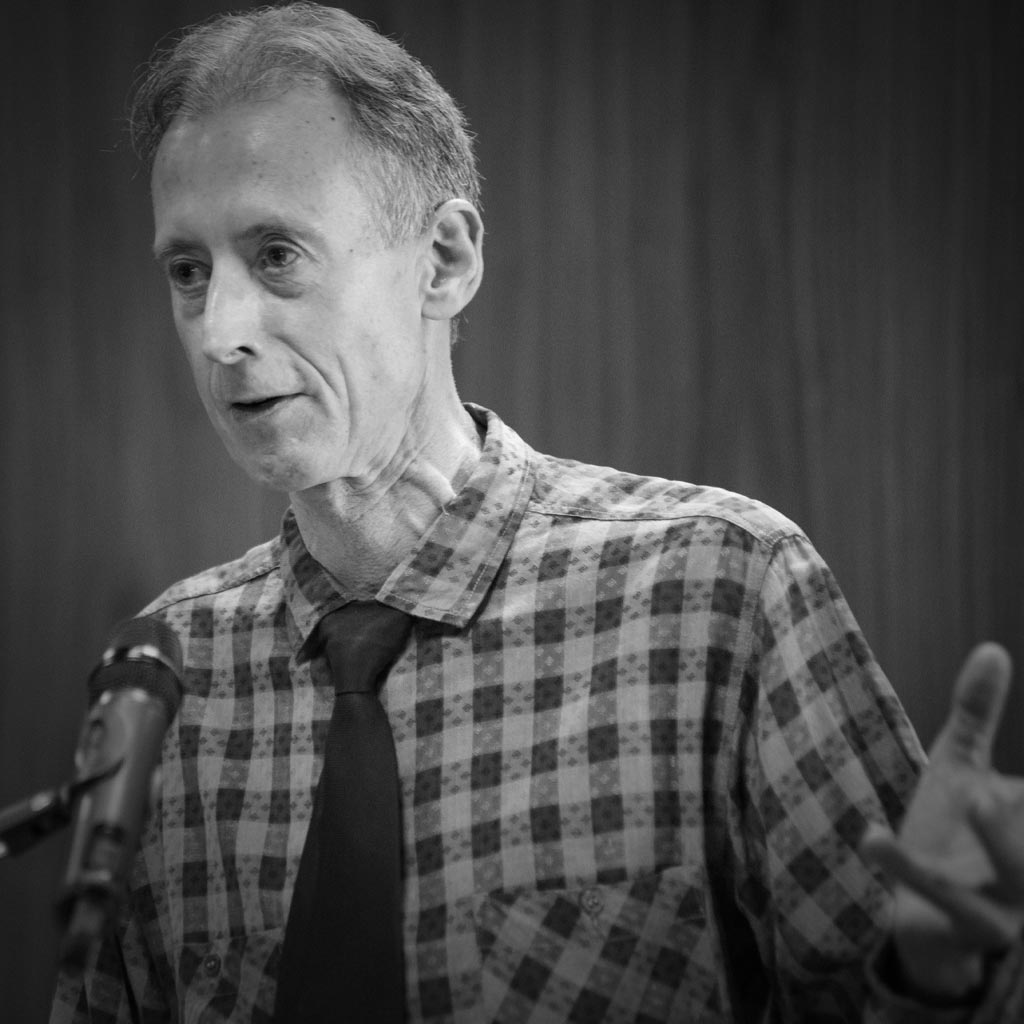
THE LLOYD'S BUILDING, 29 JUNE 2017 Renowned human rights campaigner, Peter Tatchell, gave the following address at a Gender Think-In created by artist Martin Firrell to mark the 50th anniversary of 1967 Sexual Offences Act. The act partially decriminalised gay sex, under certain circumstances, in England and Wales.
PETER TATCHELL: When I look back on that period of 1967, removing immediate and complete criminalisation did open a space which enabled LGBT people to organise. And we should remember that the 1967 Act was not primarily the work of Leo Abse and Lord Arran and other parliamentarians, valuable though their contribution was. It was the contribution, the end result, of the work of many unsung, unknown, brave LGBT people. Particularly Antony Grey and Allan Horsfall who went to their graves unrecognised for the changes that they pioneered. That law reform would have never ever happened without those courageous, brave gay men taking a stand and pushing MPs and lords to make those changes. So I’d like you to join me in giving a big round of applause to Antony Grey, Allan Horsfall, Tony Dyson, C.H. Rolph and the many others who were the real pioneers of 1967.
As Martin has already noted, the 1967 Act only applied to England and Wales. It wasn’t extended to Scotland until 1980 and not to Northern Ireland until 1982. It continued to be a serious criminal offence for members of the armed forces and the merchant navy right up until 1994. They could be jailed for sexual acts that were no longer crimes between civilians. There were also so many restrictions that hedged partial decriminalisation in 1967.
The age of consent, as you know, was set at twenty- one. When at that time, and now, the age of consent for sex between men and women was sixteen. And I know personally of men who were nineteen or twenty, who ended up in prison - in prison - for consenting relationships with other men seventeen and eighteen years old. There were thousands and thousands and thousands who were convicted after 1967.
There was also the incredibly draconian definition of privacy. Under the 1967 Act, sexual behavior between men was only lawful if it took place in private. And in private meant in a person’s own home with the doors and windows locked, the curtains drawn and no other person present in any part of the house. As recently as 1998, seven men in Bolton in northwest England were prosecuted and convicted for consenting sex because other people were present in other parts of the house when they had sex or because they had a threesome. No such behaviour has ever been a criminal offence between men and women. Two of these men got suspended prison sentences and were put on the sex offenders register alongside rapists and pedophiles - in 1998!
As recently as 2013 police forces across England and Wales turned up unannounced on gay and bisexual men’s doorsteps to demand that they give DNA samples for a special database of serious sexual and violent offenders. This was at the orchestration of the then home secretary Theresa May. She lumped together men who had been convicted in the fifties, sixties and seventies for consensual adult same-sex acts with child sex abusers and rapists. And these men, you can imagine their shock. Some of them were very elderly. Unannounced, a policeman knocked at their door and said: you must come and give a DNA sample. If you don’t, you’ll be arrested. Imagine the shock those men felt. Some of them had moved on and were now married and living happy heterosexual lives. Their wives knew nothing about their past. Some of these men were on the verge of suicide when they came to me. It was only because my Peter Tatchell Foundation lobbied the Association of Chief Police Officers and got some publicity to the press that eventually the police backed off. If we hadn’t challenged them, those men and many others would have had to submit their DNA samples and been logged as serious sex criminals.
Despite this setback in 2013, the LGBT community has overall made huge progress. Britain is a different country compared to decades ago but it’s been a long hard battle and so many people have had to suffer en route to win this greater equality. Even today, things are still not one hundred per cent the way we want them.
Today, a third of all LGBT people have been victims of homophobic, biphobic or transphobic hate crimes. Half of our LGBT young kids in schools are bullied because of their sexual orientation or their gender identity. And even though we have a lesbian education secretary, Justine Greening, she has not made LGBT issues mandatory as part of the school curriculum which everyone knows, would help challenge that prejudice and reduce that bullying. So there’s many, many more things to do. All our equality laws, laudable though they are, they’ve all got qualified exemptions for religious organisations. So faith-run schools, hospitals, nursing homes and so on are allowed, in certain circumstances, if they can say it’s necessary for the defence of their religious ethos, they are allowed to discriminate against LGBT people. That’s shocking. It’s really shocking. I believe people of faith should have the right to hold their beliefs. But I don’t believe they should be exempt from the equality laws that apply to everyone else.
So when we mark the fiftieth anniversary of the 1967 Act on the 27th July please make sure you tell people it was a partial, limited decriminalisation. Progress, a first step, but only a first step. It took many more decades to roll back other anti-LGBT laws. We need to resolve that we will continue the battle to ensure that all the residual elements of discrimination are eventually swept away so that LGBT people in this country not only have fully equal laws but also fully equal dignity, respect and rights. And you can all play a part in that. you can all through your friends, neighbours and family, your work colleagues, you can all help spread the word. I’m sure many of you have already done so and my huge appreciation for that. We will get there in the end and let’s hope the end is sooner rather than later.
Share this story

